wave patterns & Trend
Wave patterns & Trends
• What are waves ?
• Wave patterns and its role in chart analysis
• Trend – Up trend and down trend
• Identifying strength of Trend
• Correction part of Trend
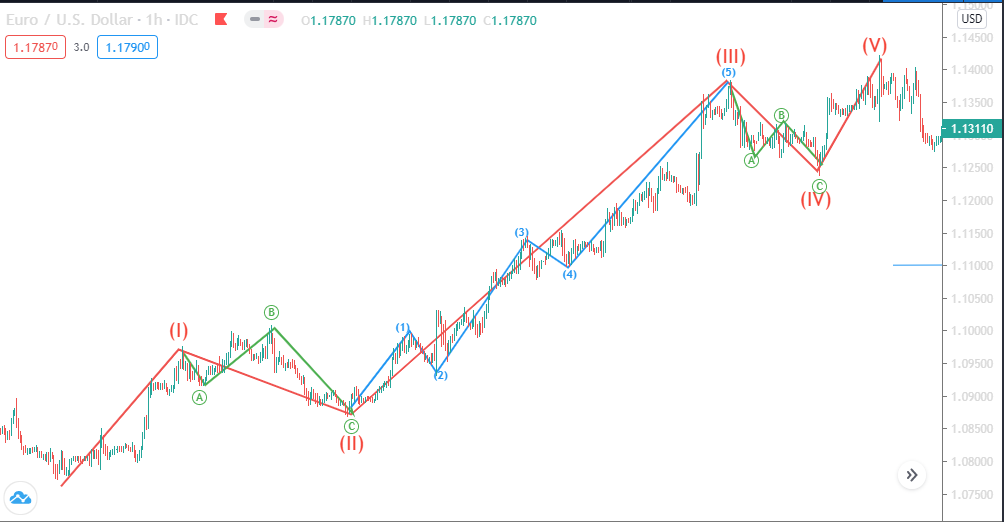
Swings are called waves when the swing legs are labeled by numbers or letters.
• A wave pattern consists of
minimum 3 waves : ABC. 5
wave patterns are 12345.
• Knowing wave patterns helps
to predict the next swing and
trade it.
What are waves ?
Wave patterns and its role in chart
analysis
A Trend is when the price swings/waves move in one direction
Trend – Up trend and Down trend
• A single swing is not a trend
• A trend moves in two sorts of patterns
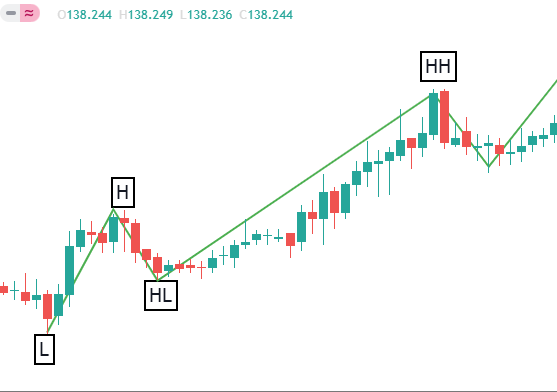
Bull trend (uptrend): a sequence of low (L),
high (H), higher low (HL), higher high (HH)
UP
TREND
DOWN
TREND
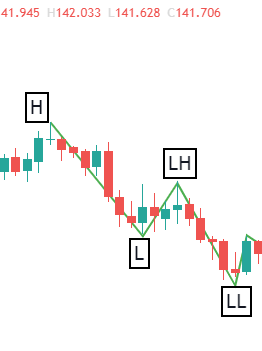
Bear trend (down trend): a sequence of H,
L, Lower high (LH), Lower Low (LL)
L to H is Impulsive, H-HL is
Corrective, HL to HH is Impulsive
.
H to L is Impulsive, L to LH is
Corrective, LH to LL is Impulsive
.
Trend – Up trend and Down trend
Momentum of Trend - shows the rate of change in price movement over a period
• Good momentum can lead to fast moves so big win.
• Probability of expected direction with the trend is high
• Weak trend or weakening momentum can provide trading opportunities for the reversal
of the trend.
Identifying strength of Trend
How to know the momentum of Trend?
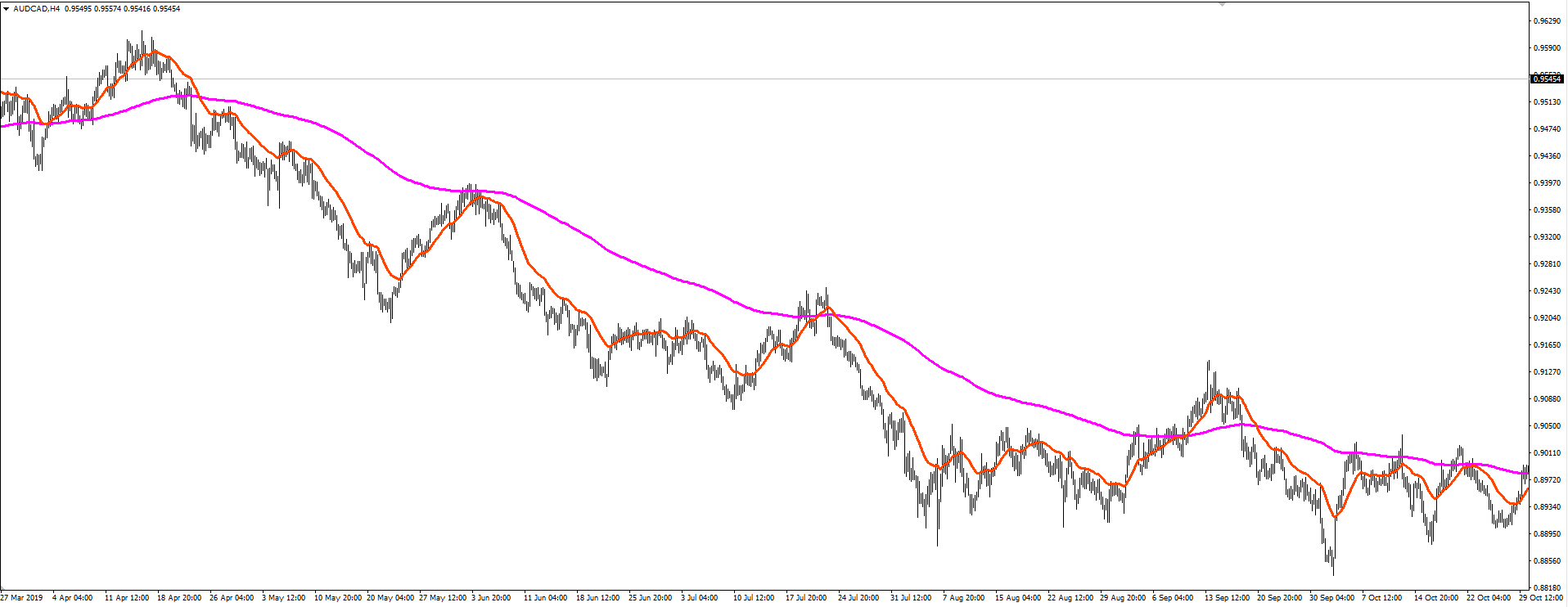
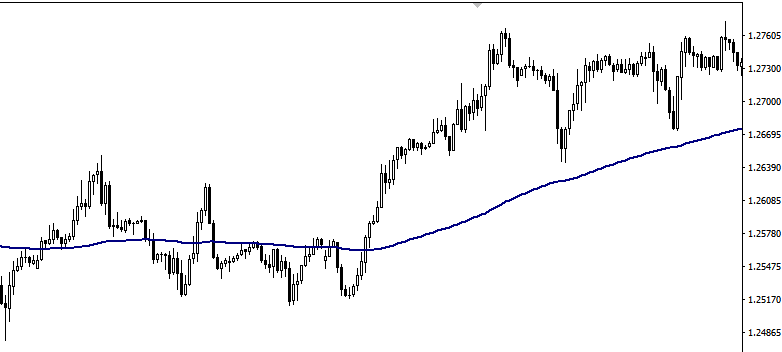
Moving averages are used to analyze if a trend is going strong or weak.
200 MA
21 MA
Identifying strength of Trend
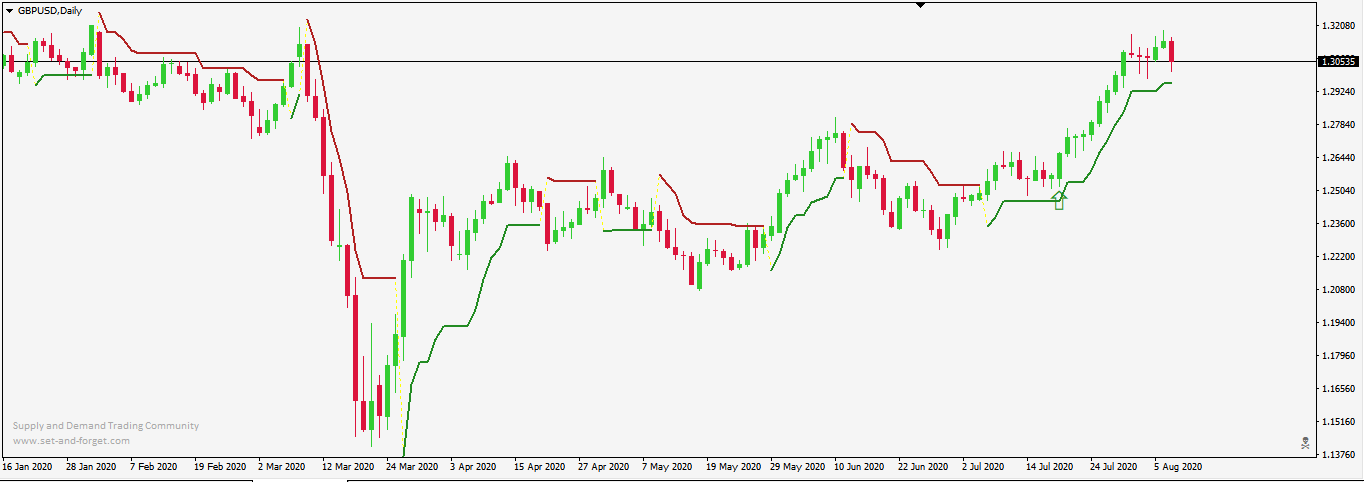
Supertrend
Another trend following indicator more or less similar to Moving Averages called Supertrend. Green
indicates bullish momentum and Red is for bearish momentum
Identifying strength of Trend
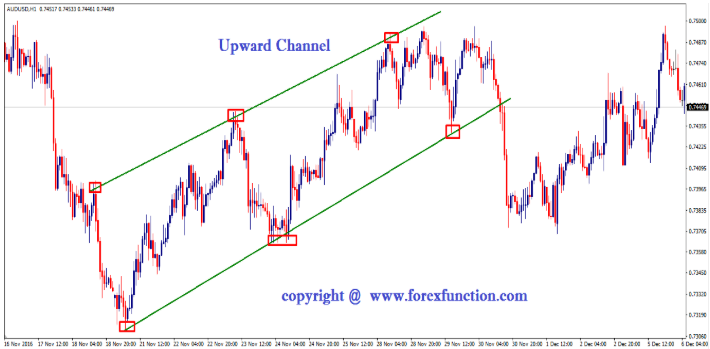
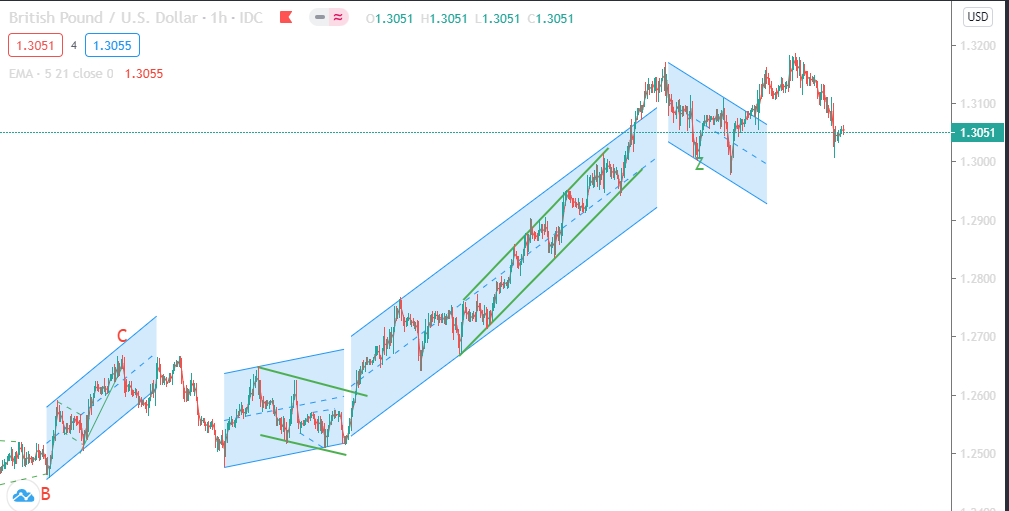
Trend Channel
Broad channel and steep channel
Steep channel – higher momentum
Broad channel – slower momentum or
larger trend
Break of channel indicates slowing
down of momentum and price will
usually target the larger channel
Identifying strength of Trend
Trend Channel
Correction part of a trend
• Non-trending movements
• Price will be swinging up and down of the moving average
usually a bigger one like 200 moving average.
• After a range, price can also reverse the previous trend
instead of resuming it.
• Pullbacks are retracement of the trend.
• When expecting a Trend, the pullbacks or correction of a
trend will not retrace the corresponding impulsive wave by
more than 100% whereas a correction can be a trending or
non-trending pattern.
• Support resistance, channels, moving averages and Fibonacci
retracements are tools used for trading the pullback levels
Impulsive up
swing
Range/p
ull back
Range/p
ull back
Images
Comments (0)
- No comments yet.