Candlestick Patterns
What are Candlestick Patterns?
Candlestick Patterns
How are they useful?
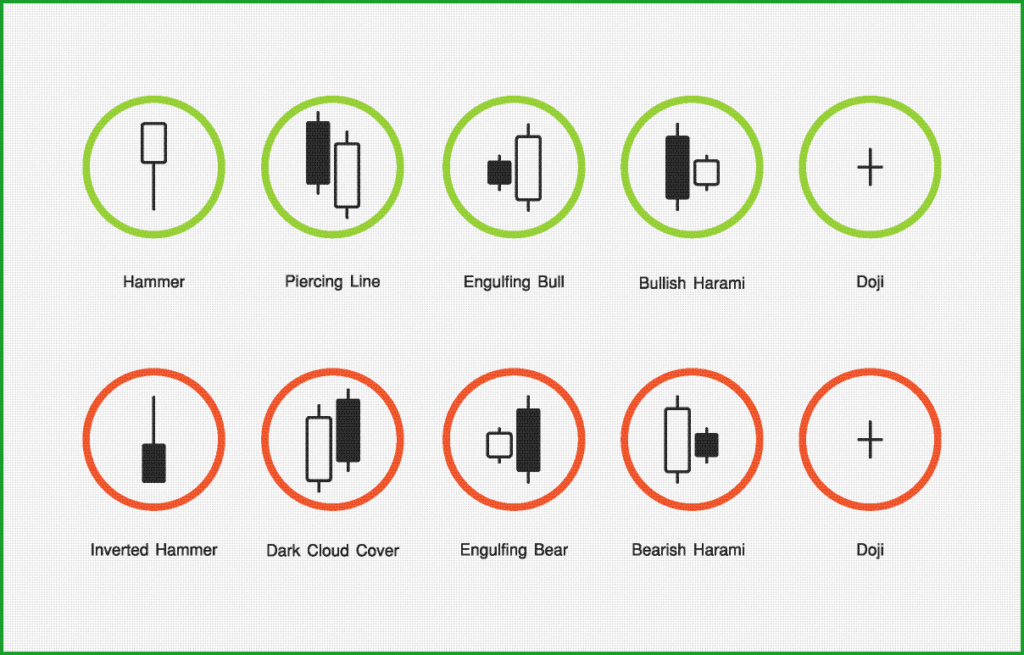
Types of Candlestick Patterns
• Candlesticks are created by up and down
movements in the price.
• Group of candlesticks can form a candlestick pattern.
• Candlestick patterns show price action in certain time
period to indicate up or down bias.
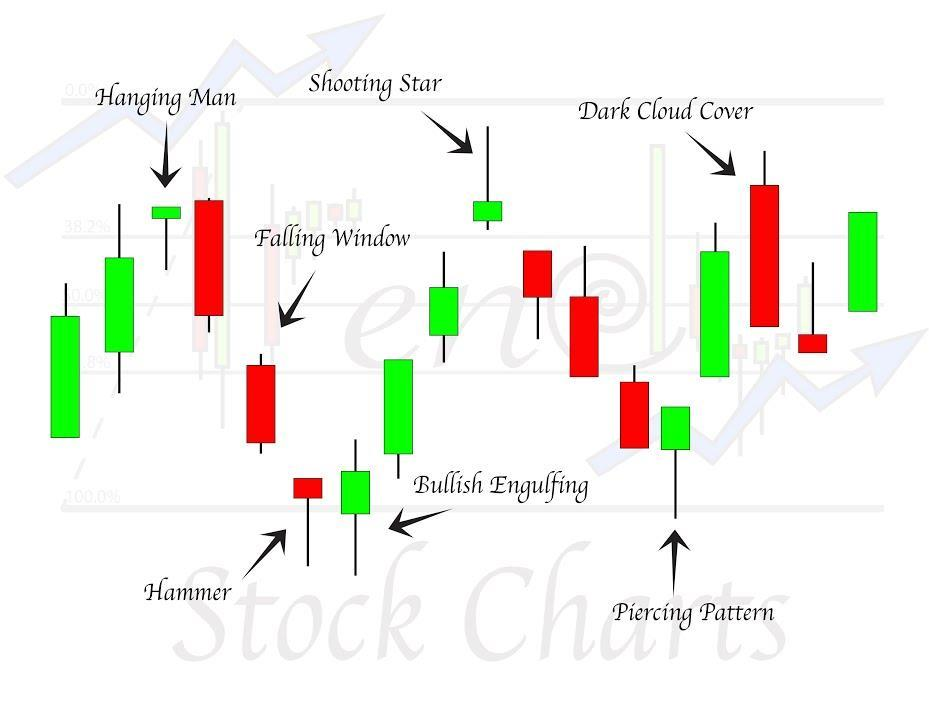
Shooting Star
Bullish Engulfing
Dark Cloud Cover
What are Candlestick Patterns?
• When applied in the context of the market structure can tell you what price is going to do next
• It can be used as the last entry condition once the context is analysed
• Helps to know the bias within a certain time period
How are they useful?
Candlesticks patterns are broadly categorized into:
• Bullish Reversal Patterns
• Bullish Continuation Patterns
• Bearish Reversal Patterns
• Bearish Continuation Patterns
Types of Candlestick Patterns
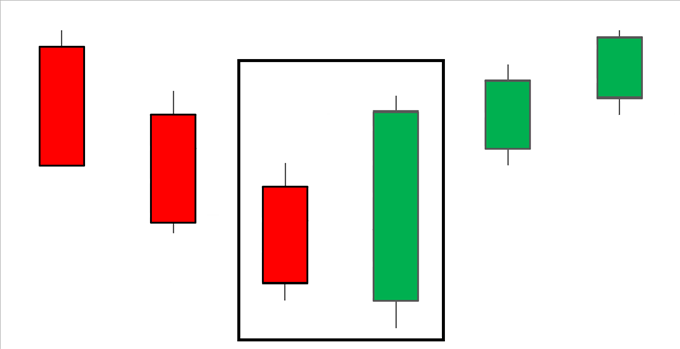
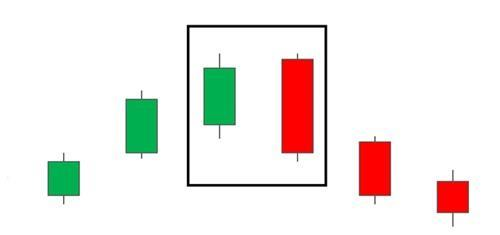
Bullish Engulfing
Bullish 3 line strike
• two opposite trend candlesticks where the second candle
engulfs the open and close of the prior candle.
• Indicates potential beginning of bullish price move when it
appears in the midst of an downtrend.
• The first candle’s real body is significant as a smaller real
body implies greater indecision and uncertainty.
Bullish Engulfing - Bullish Reversal Pattern
• A four candle trend continuation pattern.
• 1st candle is a strong bull candle closing near its high.
• 2nd candle is another bull candle closing higher than the 1st
candle close.
• 3rd candle should again be a bull candle closing higher than the
2nd candle close.
• 4th candle is a bear candle opening above the high of the 3rd
candle and closing below the 1st candle’s opening.
Bullish 3 line Strike – Reversal Pattern
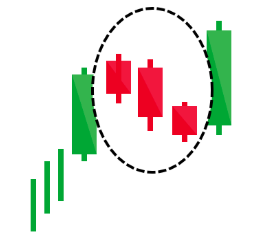
Rising Three Method
• Ideally, a five candle trend continuation pattern.
• 1st candle is a strong bull candle with a large body and closing
near its high.
• The next three candles after that should be small bodies bear
candles that should not break below the low of the 1st candle.
• The 5th candle should again be a large bull candle breaking
above the high of the 1st bull candle.
Bullish Continuation Pattern
Bearish Engulfing
Bearish Reversal Patterns
Bearish 3 line strike
Bearish Engulfing - Bearish Reversal Pattern
• Consists of two opposite trend candlesticks where the second
candle engulfs the open and close of the prior candle.
• Indicates onset of a bearish price move when it appears in the
midst of an uptrend.
• The first candle’s real body is significant as a smaller real body
implies greater indecision and uncertainty.
Bearish 3 line Strike Bearish Reversal Pattern
• A four candle trend continuation pattern.
• 1st candle is a strong bear candle closing near its low.
• 2nd candle is another bear candle closing lower than the 1st
candle close.
• 3rd candle should again be a bear candle closing lower than the
2nd candle close.
• 4th candle is a bear candle opening below the low of the 3rd
candle and closing above the 1st candle’s opening.
Bearish Continuation Pattern
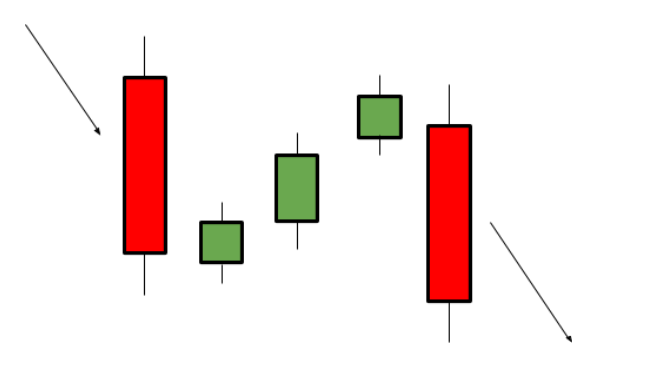
Falling Three Method
• A five candle trend continuation pattern.
• 1st candle is a strong bear candle with a large body and
closing near its low.
• The next three candles after that should be small bodied
bull candles that should not break above the high of the 1st
candle.
• The 5th candle should again be a large bear candle
breaking above the low of the 1st bear candle.
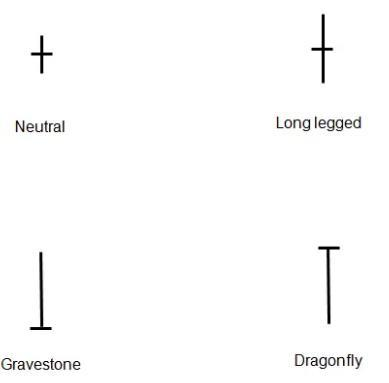
• Single candlestick patterns
• Indicates weakness and indecision
• It has no real body or very little real body
• The opening and closing prices for the period were at the
exact same level or very close together.
Indecision Patterns
Few Doji Types
Candlestick patterns should be used with context.
Context refers to knowledge of wave patterns and
trend (uptrend or downtrend).
Images


Comments (0)
- No comments yet.